Showing posts with label Safety. Show all posts

Sunday, June 14, 2015

Testing 1, 2, 3...

You put a lot of work, time and money into pressure canning food. When you are done canning, you just put the jars on the shelf, right? WRONG! I often say "there are questions that newbies don't even know to ask". I don't believe I have seen a list of the simple, yet very important steps to take AFTER you finish a canning batch to optimize and protect your hard work. In my mind each of these little steps are to protect the safety of my family & are so easy to do.
1. When you are finished canning a batch, gently set them out on a dish towel. Allow them to cool down.
2. Listen for the "pings". Though if you are using Tattler lids, they don't ping.


I tend to tap the lids periodically during this time, just in case there is a jar that doesn't seal. Recently, while I was pressure canning green beans, I found one jar that hadn't sealed. If you do this early enough, you are able to pop that jar in the fridge and still be able to use it. 


3. Let the jars cool down completely. Personally, I nestle the jars and cover with another clean dish towel. This will keep drafts off of the jars. I call this tucking them in and letting them sleep overnight. 

4. The next day, remove the rings & wash the jars. When I am washing the jars I actually fiddle with the lids to see if I am able to pop the lid off. Once, I had entire batch of pork where the lids popped off during this stage. This was the day my DH decided to check our the pressure canner in the middle of the canning process. I was sitting in the living room and heard a distinct change in the pressure! I sprang out of my seat and ran into the kitchen and there was DH holding the pressure gauge in his hand. You can imagine my dismay. This was early on in my canning. The entire batch had to be disposed off. If I had just stored this batch, I may have never known the batch hadn't sealed.

5. Leave those rings off.
For me there could be a chance that a jar contents could spoil, while rare - it does happen. If that happens pressure builds up and the seal will break on the lid.
The broken seal on the lid is the indicator, particularly if it doesn't start smelling, that you need to throw that container away.


6. Then I set them out on the counter for a few days and label the lids with a sharpie. 
At this point in my house, my jars go to a staging area. They stay there for a couple weeks. I periodically check them to insure they are still sealed. The jars are then rotated into storage area. 

7. THIS IS IMPORTANT: Stored in a cool, dark, dry place.
Optimal storage temperature is 50-70 degrees. The cooler the storage area is, the longer the food will last. 
"Do not store jars above 95° F or near hot pipes, a range, a furnace, in an insulated attic, or in direct sunlight. Under these conditions, food will lose quality in a few weeks or months and may spoil. Dampness may corrode metal lids, break seals, and allow contamination and spoilage."
(NCHFP Storing Home Canned Food)
8. Inspect all your jars once a year. 

Just to clarify, for safety's sake you ALWAYS use a new lid when canning. Once I have used a lid for pressure canning & it is in decent condition, it goes into a special jar. I will use those lids for vacuum sealing dry goods.
Last, but not least, did you know that you can actually wash sharpie off of the lids? It takes a little elbow grease, but I do it all the time. 

We are so glad you dropped by to visit today and would love to have you visit our Facebook community at Perky Prepping Gramma. 


I participate in the Amazon Associate program, where I receive a small % commission for linking products that i recommend. I only recommend products I personally used and like. Your support is very appreciated, Anything you choose to purchase through my link, is helping me to be able to share more things that I do with you. Perky Gramma Teaches Amazon link,
Featured at the Homestead Bloggers Network

Friday, June 6, 2014

Controversy, education & wise choices for your family...

Lil' Frog asked a very interesting question “Followed here (to the blog) from your FB post about the milk, but then looked this (canning butter) up because I canned butter but all of the lids failed when I went to use it...anyway I just noticed something odd to me...why would you process butter the same time as for meats but milk (which it's made from) for only 10 mins. It just seemed odd the time difference...especially since the butter is already hot and ready...can you explain why the difference in times?”

The short answer is I don't really know why there is a difference in the timing in pressure canning these two different, but similar products. Even after researching more today, I couldn't find an adequate answer to Lil' Frog's question.

First, to address the failure rate of the lids when canning butter, the only thing I would add is when I have an issue with this, I increase the head-space (that space between the product being canned and the very top of the lid) and I insure that I thoroughly clean the top of the rims. If it is something that is higher in fat, I will even clean the rims a couple of times, using a fresh paper towel and vinegar.

Just an interesting note: This specific picture is all over the internet. I try hard to follow pictures & articles back to the original publication. This particular image is directly from the USDA Guideline Handbook.

What I will share is how I personally determine what I am going to can or not can. When I am researching a particular subject, (like canning milk or butter) I spend literally hours, reading guidelines, the USDA guidelines (I can't tell you how many times I have read their online information) and I study specific canners that I personally trust. Here is a link to a blog post I did on What does the USDA Really Say AboutCanning Milk (237). This includes charts from the USDA's Guidelines Handbook & a link to download and print their handbook.
I HIGHLY encourage you to do the research for yourself, to determine what you are willing to consider safe for your own family. First and foremost we are each individually responsible for using our own judgment for our families safety. That being said, based on what I have researched, I share with you what I consider safe for my family. in my mind.
That being said I want to emphasize whatever your decide; 
"ALWAYS use impeccable hygiene  
canning practices"
I believe everything should be sterilized. Including your tools, jars, lids, rings. Always use fresh clean towels, be generous with your paper towels when cleaning.
Sorry that I don't have a more definitive answer. I will continue to research and if I find out more I will share.

If you have some time here are just a few links I think are worth reading. Both pros and cons, since that is how I roll.
2. Preparedness Pro:
Several articles when searching for botulism: 
3. Katzcradul RANT on Botulism Fear Mongering


To be fair, I also share people that disagree with these practices.

1. Preserving the Harvest By the Book; I respect just doesn't believe in doing anything outside of the canning bible. If you want straight from the book procedures, she is the gal to follow in my opinion. Though she appears to have not been posting in a while.
2. imstillworkin (Youtube vlogger)


I wish I had the answer, but I don't at this point in time. You are welcome to gently disagree with me or each other and post. I am willing to have both sides posted here or on facebook. Again, do the research, because I do feel this is an important decision.

Monday, November 4, 2013

So, you are ready to start preparing for the "Cyber Canning Event"?

Starting the the last thing first, since the rest has already been discussed.
Last but not least, you need to have at least 8 lbs. of meat to can. I am going to recommend that you buy boneless, skinless chicken breasts for you first canning project. It is just simpler and less work to prepare them for canning.

"Pressure canning is way easier than making an origami elephant" ~Perky~

Let's get our equipment purchased & prepared for the “Cyber Canning Event”.
First you need to purchase (or have on hand) the following items listed below. We want to go ahead and purchase these as soon as possible. That way if you order something online it will arrive in time for the event; or if you have trouble finding something like the canning jars, you have time to search. There are links through out this article of where to purchase.
1. Pressure CANNER <<< (link to buy a pressure canner. Not a pressure cooker or water bath canner) This is currently the best buy, IF it will fit on your stove.
IMPORTANT TIP: When you are getting ready to purchase your canner, measure your stove CAREFULLY. You want to insure that the entire canner will fit on your stove & not hit any appliance that may be OVER the top of your stove. I would purchase the largest size, that will fit on your stove.
If you need a smaller (16 qrt. canner), you'd honestly get a better price at Walmart.
2. Canning tools <<< (link)
3. A least one case of canning jars. I recommend that you purchase wide mouth, pints sized canning jars.
I recommend that you first try to find the canning jars at a local grocery store. You can also order online and pick up from your local Ace hardware. Then last, but not, least you can order them from Amazon. 
This link is for regular mouth jars.
4. You will also need to have various items like dish towels, paper towels, vinegar, a timer (one on the stove or microwave will do).

Disclaimer: The links to Amazon, are to my personal Amazon Store. I do receive a small commission, if you purchase through my store. BUT there is no additional cost to you. I only recommend items that I use, have purchased & usually include free shipping (for the standard purchase). I do not receive any commission from other stores. 
Perky Prepping Gramma's Store


Here are some additional articles to read over for preparation for the event.
Attitude, altitude, aptitude... (this links to another person blog)


Friday, October 18, 2013

Bartering...

This post stared because of the "Use 1, buy 2" Facebook post earlier.
Specifically about storing something you don't particularly like, but would eat if you HAD to.
Examples:
I have one can of Spam (old Spam), 7 Dak hams that I purchased in the beginning before I figured out it would be better to pressure can my own meat. & 6 Ramen noodle packs, that we just sitting around.
Would we eat it if we had to, sure. Would I buy more? Nope. I don't eat Dak ham now, why store any more? It makes more sense to me to spend my money on things I know we will eat.

I have thought about storing things to barter, then again I always would revert to
1) Shouldn't I already have what I need if I am preparing?
Yes, there might be things I have forgotten-
Is accumulating bartering items we don't need or want be worth the cost now? This isn't set in stone, but a question I am constantly going over.

I also initially purchased a large package of a variety of seeds (non-GMO, non-hybrid) for storage. Will I do that again, probably not. For example there are turnips & okra seeds in that pack. I don't like them. I might consider bartering with those seeds.
As I plan my garden purchases this winter-I will continue to focus on vegetables and fruits that I know we will eat.

What would you be willing to barter?
Would you store items that you wouldn't eat, simply for bartering?
Would there be some ethics on what to barter?

Another example, many don't drink for various reasons. We rarely drink. Maybe 3 times a year.
But, there are great medicinal purposes for alcohol. For pain relief, sterilization & creating tinctures.
Do have alcohol stored? Yes. So do we have items to continue producing alcohol as our supplies run out? (plan B.) I will leave that to your imagination. Now as for bartering? Would you feel comfortable bartering alcohol?

What about ammo? Why barter away the ones we had decided to focus on and possibly run out? What about caliber's we are not focusing on, yet still have? Do I want to risk bartering with the possibility of those things being used against us?

I do believe I will barter as things become safe to do so. I also have given serious thought to (but, haven't decided) about having packages to give way with some basics for people in need, with the caveat this is a one time deal, do NOT return. Things like beans, cornmeal...
But then again, I end to do that in my life currently.

I know this post really is simply a lot of questions. Sometimes I don't have answers, but I want you to think about what you would do. I simply proffer these ideas for your consideration.

Monday, July 29, 2013

Safety; Avoiding cross contamination...

I am an absolute stickler about cleanliness, sterilization and cross contamination. It may seem to be common knowledge, but it is always good to be reminded of safety procedures.
First: Always cleaners on hand. Clean your preparation surfaces & your sink. I also do my stove.

Insure your sink is super clean & wash your hands often.


Sterilize ALL your equipment you use. I always have two sets of various items prepped (sterilized), just in case. Yesterday, I was pressure canning some ground sausage and my funnel became contaminated by making contact with raw pork. So, I tossed it in my contaminated pile in the sink and used my second funnel, which was already sterilized.


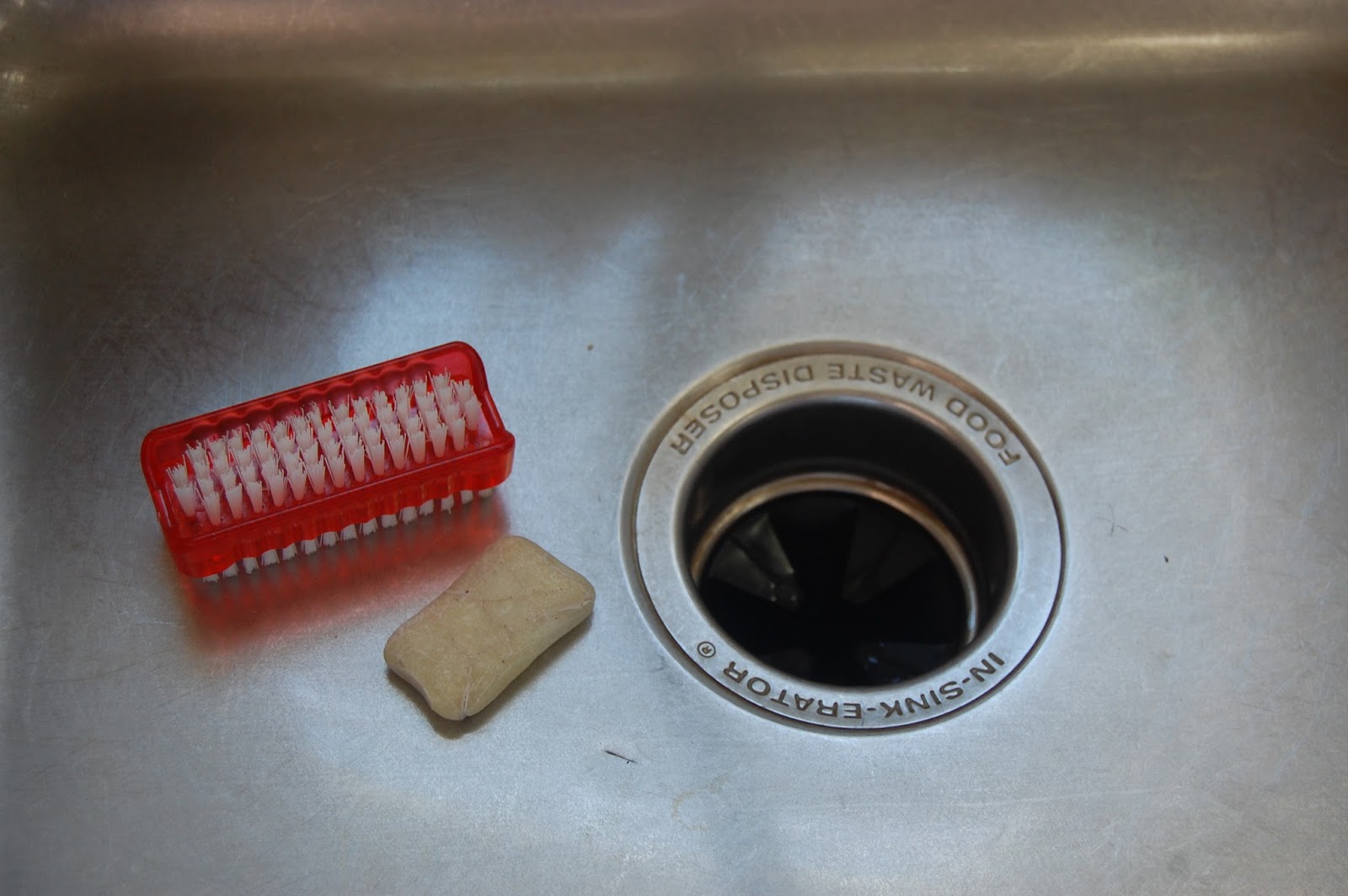
When I am canning, my sink it set up something like this:
I have a spot to place utensils that are being used and are in contact with raw meat.
I have container that holds items that have only been in contact with cooked meat.
Then I have a bag, to place items that have been cross contaminated. 

Probably the most important things to remember is ALWAYS avoid cross contamination between raw meat and cooked meat. Hope this reminder is helpful.